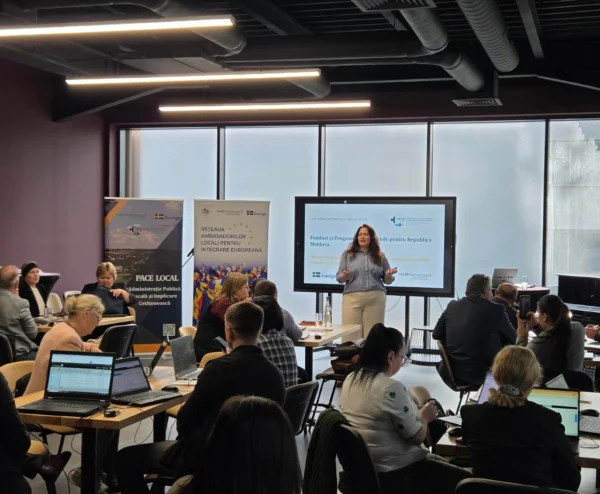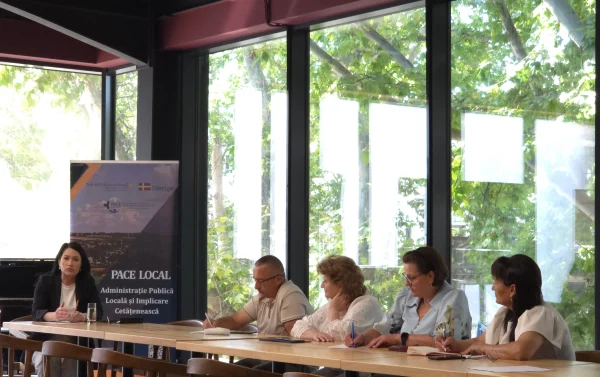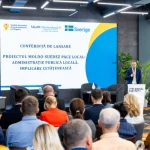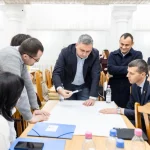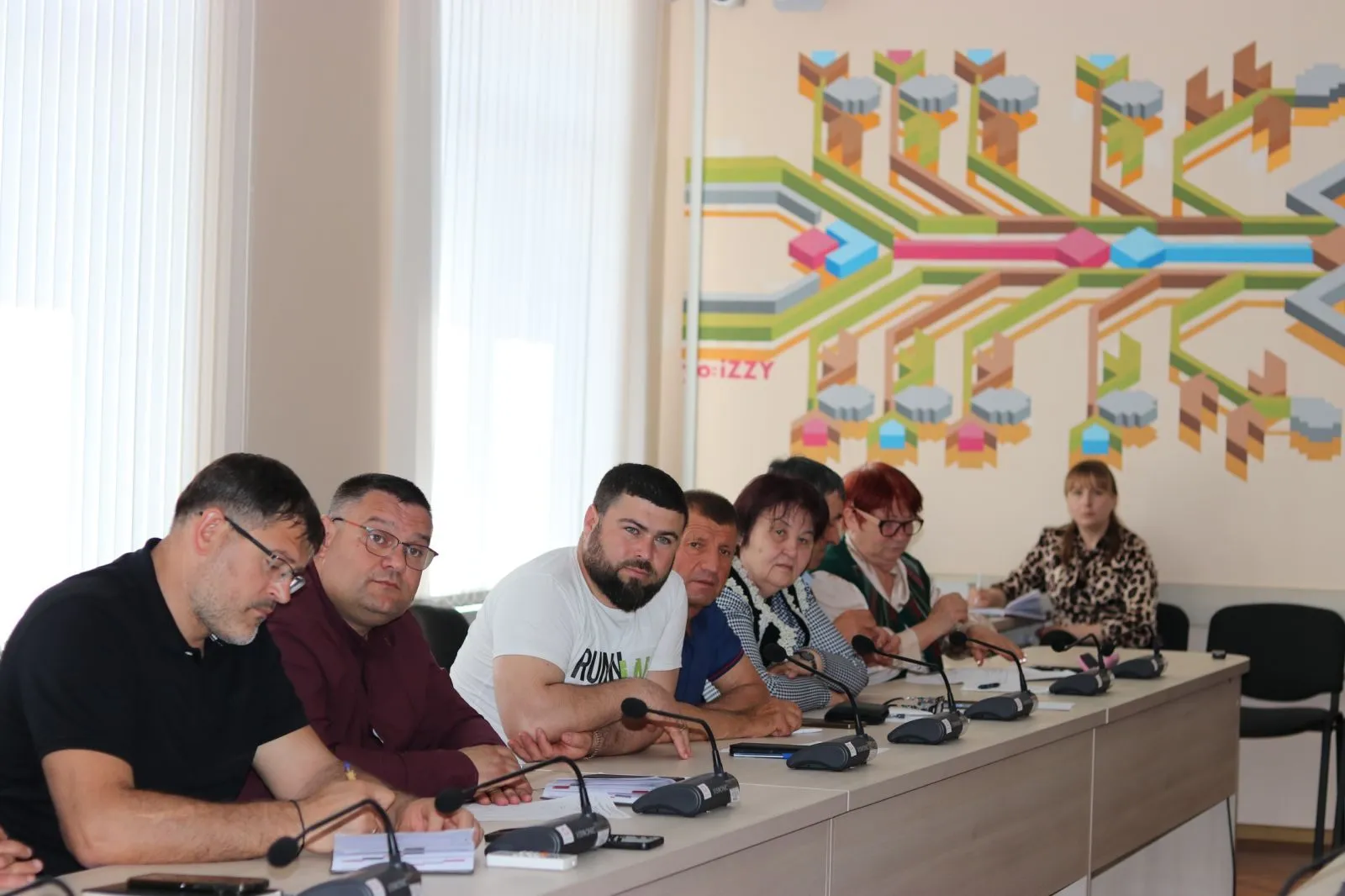
The consultation and joint vision-building process has been completed in the nine clusters of localities receiving support under the Local Governance Strengthening Program. The process was facilitated by the Public Association Inițiativa Pune Umărul, with support from SALAR International through the PACE Local project.
This marks an important step for the communities involved in the voluntary amalgamation process. Local public authorities had the opportunity to assess the current situation in their communities, identify shared challenges and agree on development priorities that can be addressed more effectively through cooperation.
The consultations aimed to build a clear picture of the public services currently available in each locality and identify residents’ most pressing needs. The assessment covered areas such as water supply, sewerage and sanitation, road infrastructure, street lighting, waste management, access to administrative services and the condition of local public institutions.
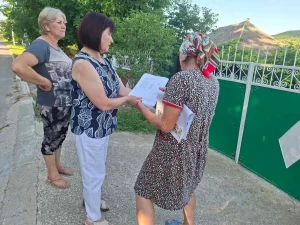
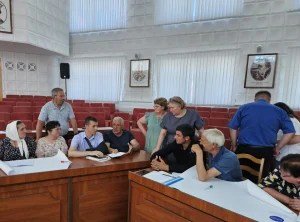
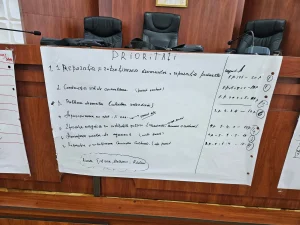
Community representatives also discussed how localities within each cluster can complement one another, which services could be developed and delivered jointly, and which investments could generate greater impact if planned across the entire territory rather than separately by each locality.
A common development vision was developed for each cluster, incorporating both shared priorities and the specific needs of individual localities. This approach ensures that the interests of each community are preserved while being integrated into a broader development perspective based on cooperation and more efficient use of resources.
One example is the vision developed for the cluster in Călărași district, which brings together 17 localities with a combined population of 26,317 residents. The document assesses public services in each community and provides an overview of the entire territory, covering more than 411 square kilometres and a road network of approximately 423 kilometres.
Five common priorities were identified for this cluster:
– development of sewerage and public sanitation systems;
– expansion of drinking water supply networks;
– rehabilitation of roads and related infrastructure;
– solid waste management;
– development of digital administrative services.
At the same time, the specific priorities of individual localities have been retained. These range from renovating kindergartens and cultural centres to developing sports facilities, repurposing and improving public buildings, investing in renewable energy and creating recreational areas.
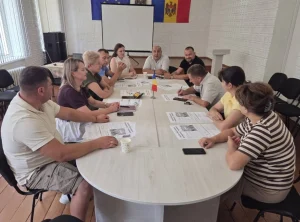
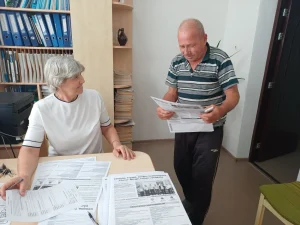
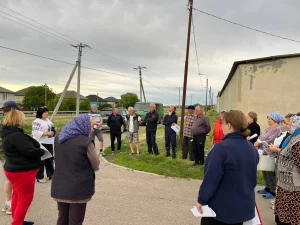
This approach demonstrates that developing a common vision does not mean making communities identical or overlooking local particularities. On the contrary, each locality retains its identity and its own needs, while these are incorporated into a broader development framework built around the shared interests of residents.
When several localities coordinate their priorities and develop a joint approach, proposed projects can become better structured, more coherent and more attractive to national programmes, development partners and EU funding opportunities.
The completion of the consultation and joint vision-building process is therefore more than a planning exercise. It is a process through which localities learn to look at development beyond their individual administrative boundaries and identify solutions that can generate benefits across the wider territory.
At the same time, completing the consultations does not mark the end of the process. Rather, it lays the groundwork for a new stage in which the jointly developed visions can be translated into concrete plans, projects and investments that contribute to the sustainable development of the participating communities.