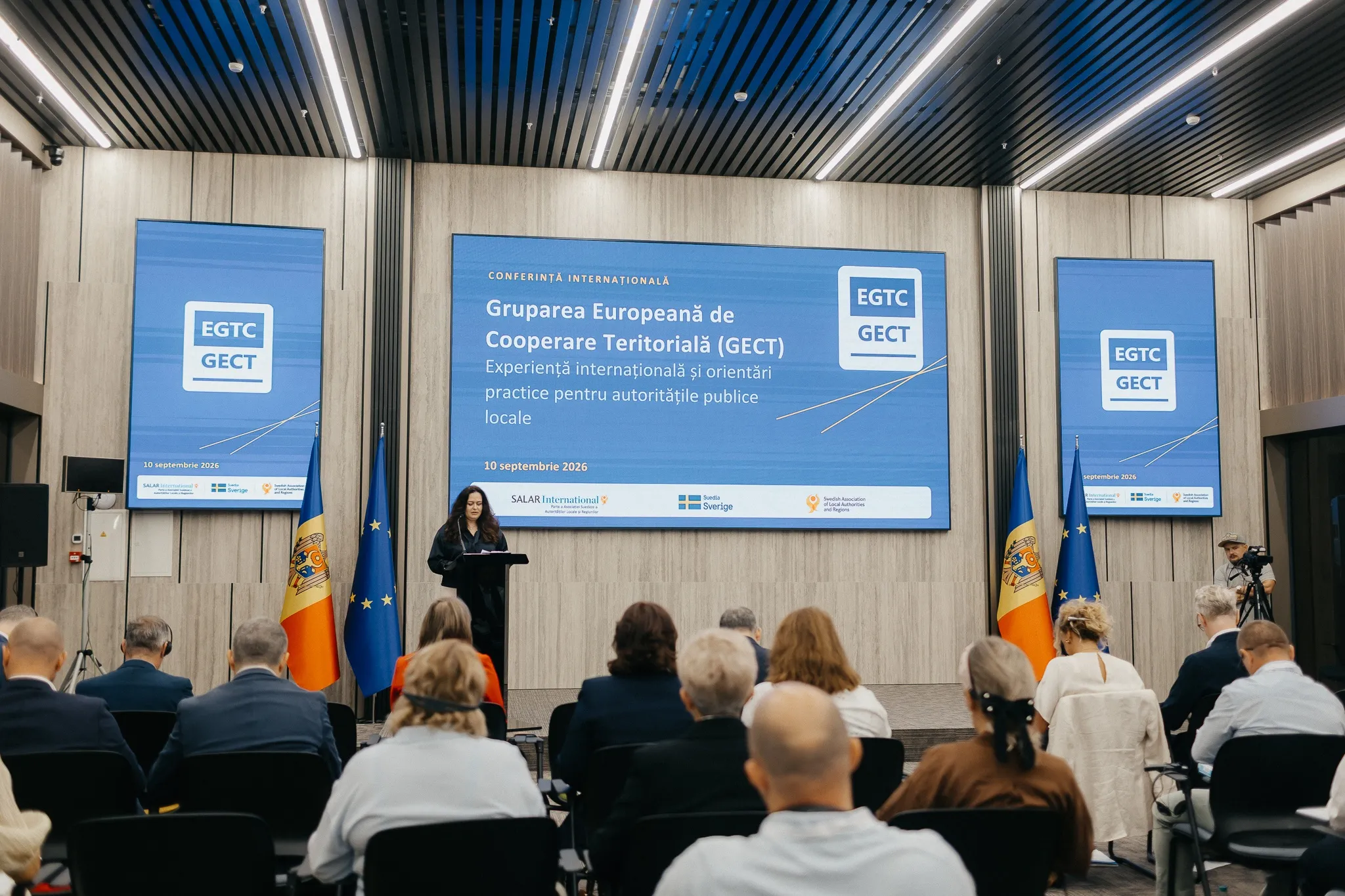
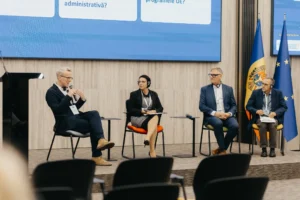
Around 100 participants, including mayors from Moldova and Ukraine, representatives of central and local authorities, and international experts, gathered in Chișinău to learn from the experience of European Groupings of Territorial Cooperation (EGTCs) in the EU and explore how this instrument can help secure funding for community development.
The discussions took place at the conference “European Grouping of Territorial Cooperation (EGTC): International Experience and Practical Guidance for Local Authorities”, organised by the Moldovan-Swedish PACE Local project, implemented with support from the Government of Sweden.
The EGTC is an EU instrument designed to support cross-border, transnational and interregional cooperation. It provides an institutional framework for cooperation between entities from different European countries, including EU candidate countries, helping them address challenges that extend beyond administrative boundaries in areas such as infrastructure, environmental protection, tourism and waste management. Participation in EGTCs could help local authorities in Moldova access European funding programmes such as Interreg, Erasmus+, Digital Europe, Creative Europe, EU4Health and the Citizens, Equality, Rights and Values (CERV) programme, among others.
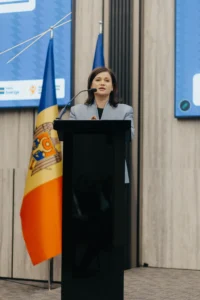
Larisa Voloh, Vice-Chair of the Moldovan Parliament’s Committee on Public Administration and Regional Development, stressed that EGTCs offer an important opportunity to strengthen the competitiveness of Moldova’s regions and bring them closer to European standards. “Administrative boundaries must not become barriers to development,” she said.
Ghenadie Marian, Head of the Bureau for European Integration, noted that EGTCs can help communities in Moldova engage in European cooperation mechanisms sooner, even before the country joins the EU, while preparing authorities to access and manage future EU structural funds.
Sweden’s Ambassador to the Republic of Moldova, Petra Larke, reaffirmed Sweden’s support for democratic reforms and local development. She noted that EGTCs can help local authorities cooperate with partners in the EU and implement projects funded directly by the European Union. The instrument provides a structured framework for long-term cooperation and opens up new opportunities to participate in a range of European programmes.
During the conference, international experts explained how EGTCs operate and shared the experience of existing groupings across Europe with local authorities from Moldova. They emphasised that successful cooperation within an EGTC depends on trust between partners, shared values and a commitment to common objectives that address the challenges facing regions and communities.
A law governing Moldova’s participation in EGTCs entered into force in August 2026. Entities eligible to establish or join a grouping include local and regional authorities, public institutions, public enterprises and organisations, and associations of public authorities.
Diana Chiriac, Head of the Local Public Administration Directorate at the State Chancellery, noted that the regulatory framework needed to implement the new law is to be developed, including methodological guidelines, alongside a practical guide for local authorities. These measures will help local authorities establish or join EGTCs.
Moldova has not yet participated in an EGTC. Work is now under way to establish the East Gate EGTC, bringing together local authorities from Romania, Bulgaria, Ukraine and the Republic of Moldova.